Mexico
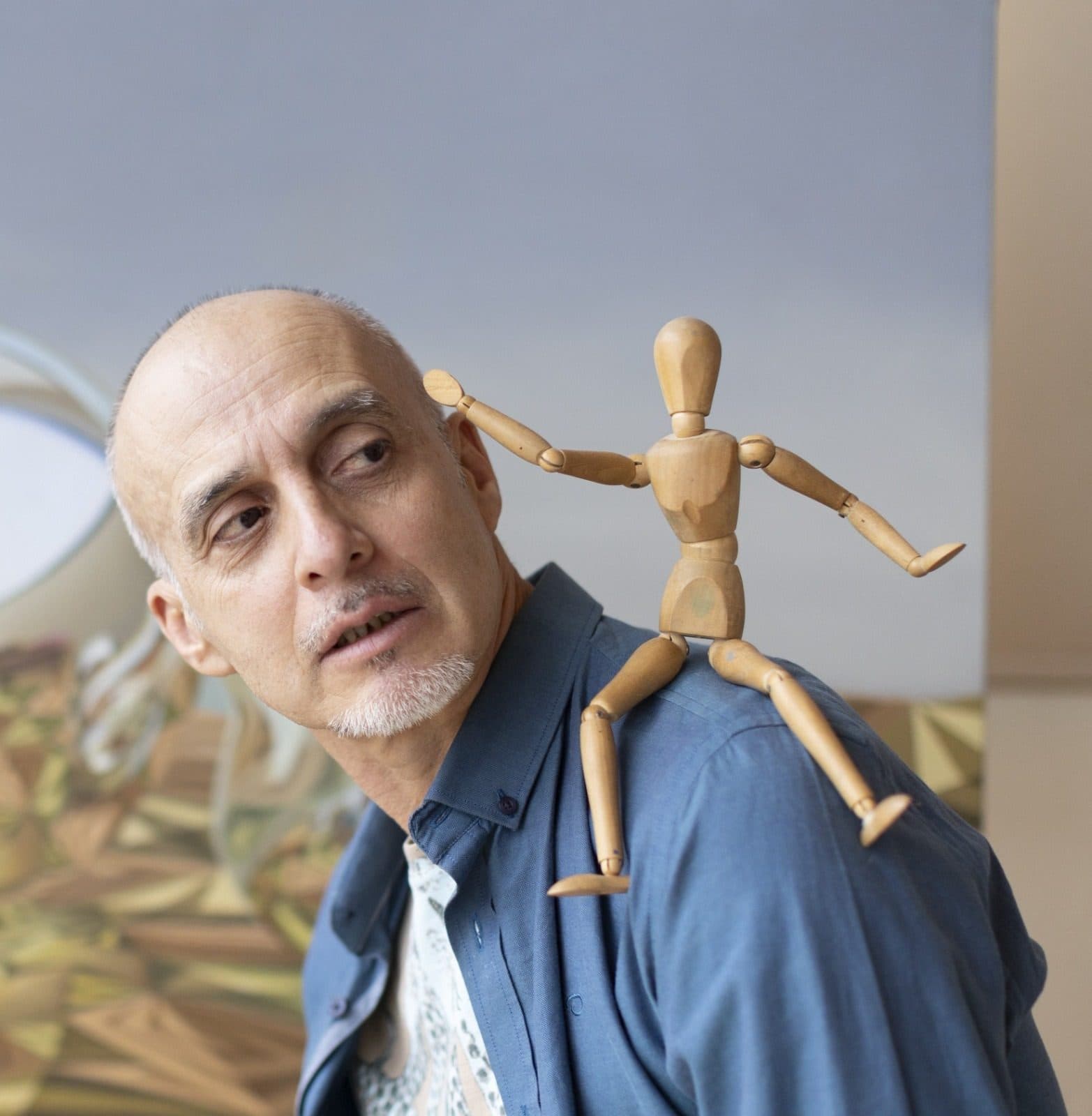
Jorge Luna
Jorge Luna graduated from the Universidad Autónoma Metropolitana with a degree in Design for Graphic Communication. He began painting in 1993 as a personal endeavor, unaware it would become his lifelong vocation. In 1995, he won second place in the Painting on Walls contest at the Cancún Film Festival, and in 1996, he collaborated with cartographer Leonardo Berges on a collection of artistic maps.
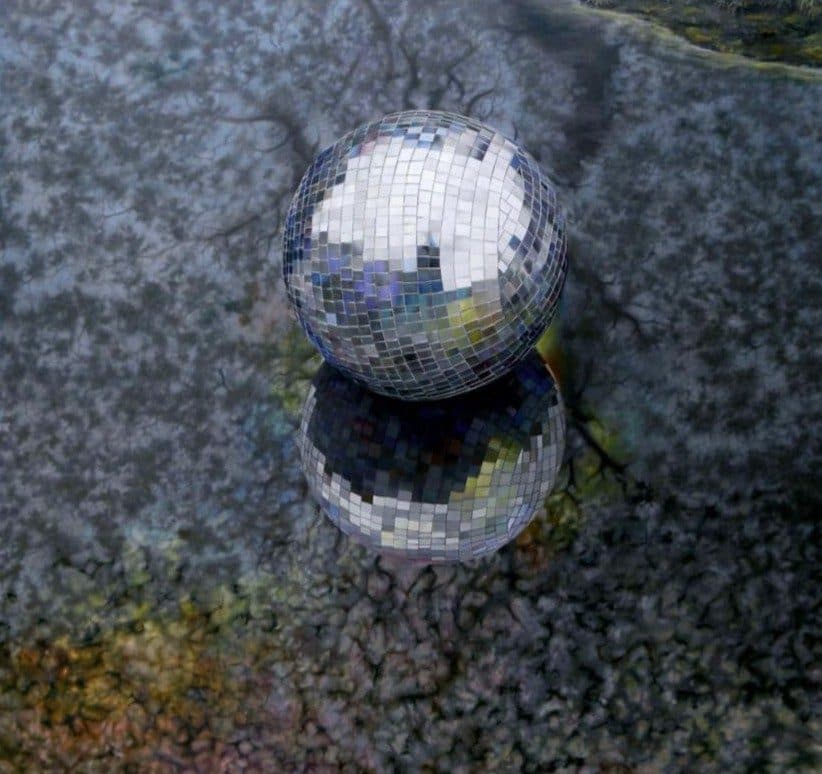
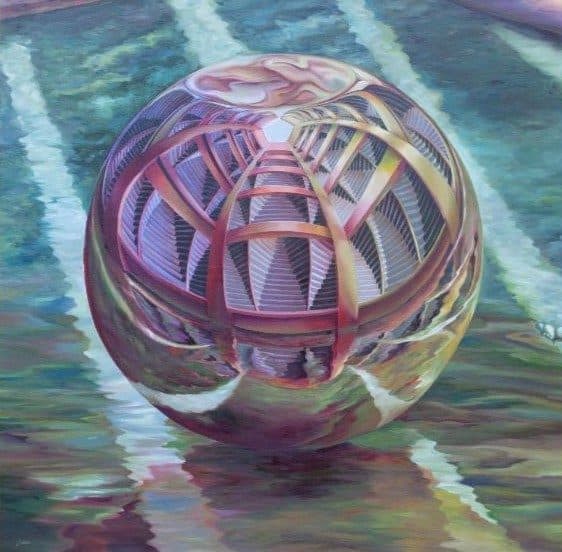
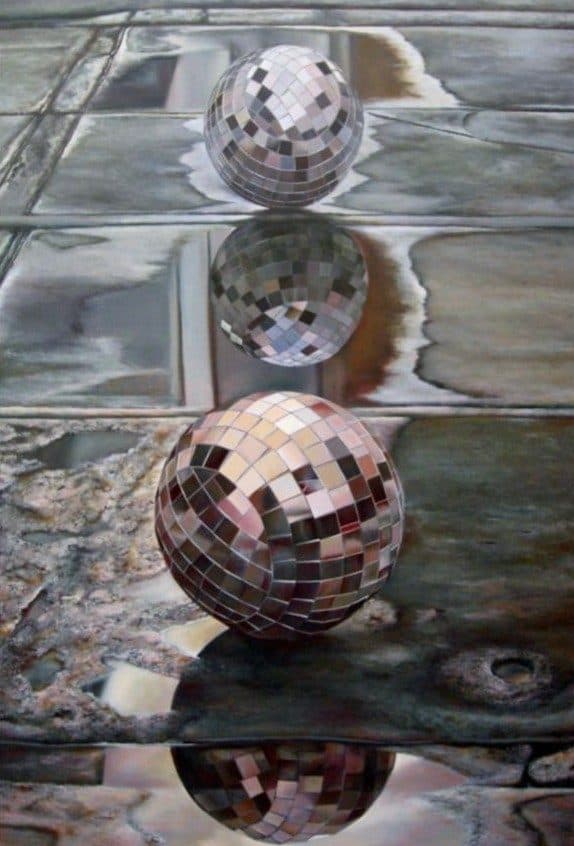
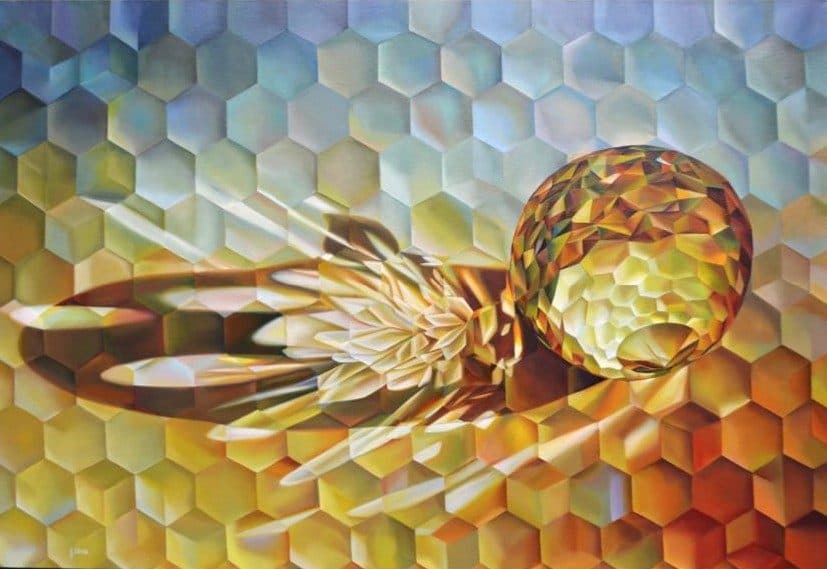
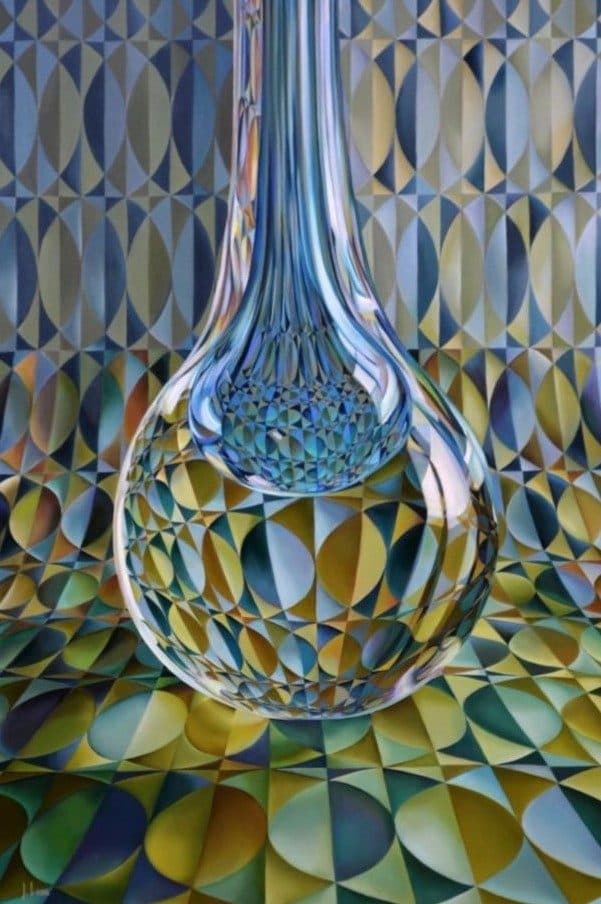
By 1997, Luna left his career in graphic design to fully pursue his artistic practice. That same year, he developed a distinctive technique he called "simultaneous double plane", which allows viewers to perceive two superimposed works at once. In 1999, he was recognized by the Association of Public Relations Professionals of Cancún as one of the city's leading visual artists.
His international presence grew rapidly. In 2000, he exhibited in Monaco under the patronage of the principality, with the show inaugurated by H.M.A. Prince Albert. In 2001, he exhibited in Stockholm in the presence of H.M.A. Crown Princess Victoria and Prince Albert. After relocating to Mexico City that year, he began working with major national galleries including Metamorfosis, Oscar Román, and galleries in Querétaro and Puerto Vallarta, while also studying color theory with Rodrigo Pimentel.
With the support of collector Andrés Blaisten, Luna presented Expressions in Nature in Monterrey. In 2004, his work was selected by SAGARPA for its national calendar, and from 2008 to 2011, he was included in Pago en Especie, a national heritage collection of the SHCP, with works featured in an international traveling exhibition.
In 2011, he exhibited at the Mexican Stock Exchange, inaugurated by Andrés Blaisten, with a catalog essay by Carlos Blas Galindo. He was later featured in the Summary edition of 250 Mexican artists of the 19th, 20th, and 21st centuries. In 2015, he collaborated with Chinese artist Liu Bolin and authored the essay The Bright Numbers. He participated in Fundación Milenio’s Moon, Sun, Duality program in 2016 and received the Medal of the Ibero-American Foundation Doctor Honoris Causa in 2018.
Luna’s work is part of numerous national and international collections, including the America’s Collection (Miami), the Blaisten Collection, Fundación Jumex, Grupo Vitro, Bank of Mexico, Televisa, and the Mexican Stock Exchange, as well as cultural institutions across Mexico such as Casa Redonda in Chihuahua, the Museum of the Desert in Saltillo, and the Iconographic Museum of Don Quixote in Guanajuato.